

What Flowers Have the Strongest Fragrance: Top Picks for Your Garden
Posted by Tina Wilson on Feb 2nd 2026
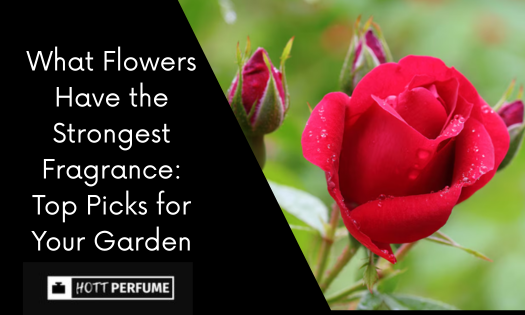
Smelling flowers can evoke powerful emotions and memories, with fragrant flowers like roses and lavender being popular choices for gardens. This is because fragrant flowers can evoke powerful memories and emotions due to their connection to the limbic system in the brain.
The smell of these blooms adds a new dimension to your outdoor space, with their sweet fragrance and intoxicating scent. The best fragrance for your garden depends on personal preference, but classic fragrant flowers like gardenia and jasmine are always a hit.
Incorporating a variety of fragrant flowers, including old garden roses and sweet peas, can create a unique and captivating scent experience. Flowers can have a variety of fragrance notes, such as fruity, vanilla, tea, and lemon, highlighting the diversity of floral scents.
Classic Fragrant Smelling Flowers
Below is a guide to the most beloved fragrant flowers used in perfumery and garden design, each offering a distinct aromatic profile and sensory experience.
|
Flower |
Fragrance Profile |
Key Characteristics |
Uses |
|---|---|---|---|
|
Rose |
Heady, romantic, complex |
Old garden varieties are more fragrant than modern hybrids; prized for depth and longevity. |
Bouquets, gardens, perfume creation |
|
Gardenia |
Intoxicating, velvety, warm |
Honey-orange tones; luxurious and sensual. |
Home decor, perfumery, luxury fragrances |
|
Lily |
Strong, sweet, unmistakable |
Fills a room with its presence; visually striking and aromatic. |
Home decor, perfumery, floral arrangements |
|
Magnolia |
Deep-grape, sweet, banana-like |
Showy blooms with distinctive, layered scent. |
Flowering trees, landscape, floral arrangements |
|
Lily of the Valley |
Strong, delicate, nostalgic |
Evokes memory and emotion; cherished for sentimental value. |
Perfume, garden settings, vintage fragrances |
|
Heliotrope |
Vanilla-cherry, dessert-like |
Likened to cherry pie; unique and playful. |
Garden fragrance, perfume accords, niche scents |
|
Lilac |
Creamy almond, light, airy |
Fresh, springlike appeal; favored in cosmetics. |
Landscape, cosmetics, seasonal fragrances |
|
Lavender |
Calming, sweet, herbaceous |
Soothing and versatile; timeless appeal. |
Potpourri, sachets, wellness products, perfume |
|
Jasmine |
Strong, intoxicating, exotic |
Beautiful blooms with powerful presence. |
Gardens, perfumery, luxury fragrances |
|
Orange Blossom |
Sweet, citrusy, delicate |
Bright, fresh, and uplifting; elegant white petals. |
Perfumery, fragrances, floral arrangements |
Each of these flowers brings a distinct aromatic signature to perfumery and garden design. Whether you prefer the romantic depth of roses, the intoxicating warmth of gardenias, or the fresh brightness of orange blossom, these classic fragrant flowers remain timeless choices for creating memorable scent experiences.

Summer Blooms
Summer is the ideal season to experience a variety of flowers that thrive in the warmth, filling the air with everything from bright citrus notes to deep, nocturnal aromas.
-
Honeysuckle: Famous for its citrusy, lemon-like fragrance, this climber is particularly potent on warm summer evenings.
-
Mock Orange: A seasonal favorite prized for its sweet-smelling blooms and heady, pervasive scent.
-
Freesia: Known for its fresh, radiant fragrance and golden-yellow blooms, these flowers provide a strong scent often associated with the transition into warmer months.
-
Hyacinth: Though short-blooming, its outstanding, sweet and floral scent is powerful enough to fill an entire yard.
-
Magnolias: These garden staples offer a range of sizes and are beloved for their distinct citrusy and lemon-infused aromatic profile.
-
Night-Blooming Jasmine & Tuberose: These unique plants release their fragrance after the sun goes down, creating a captivating and mysterious nocturnal ambiance.
-
Lilac: A classic summer choice featuring soft purple blooms and a characteristically sweet, nostalgic fragrance.
-
Peonies: Highly favored by gardeners for their large, showy appearance and an intoxicatingly sweet scent that matches their bold visual presence.
Exciting Perfumes Similar to Flowerbomb
Spring Blooms
Spring awakens the garden with a burst of fragrant flowers that bring color, delicate scents, and renewed energy to outdoor spaces. Below are the most beloved spring bloomers, each offering its own aromatic charm.
-
Tulips & Daffodils: Bright, cheerful spring staples with sweet fragrance and vibrant colors that signal the season's arrival.
-
Sweet Peas: Prized for their fragrant, delicate blooms in soft pastel hues; a romantic choice for spring arrangements.
-
Garden Roses: Classic spring bloomers featuring beautiful, full blooms and a strong, sweet fragrance that defines the season.
-
Lavender: A low-maintenance spring option with fragrant purple blooms and a calming, herbaceous scent.
-
Lilac: An iconic spring flower admired for its stunning blooms and light, airy fragrance that gently perfumes the garden.
-
Freesia: Known for its fresh, light scent and delicate appearance, making it ideal for spring floral arrangements and bouquets.
-
Jasmine: With its intoxicating, exotic fragrance, jasmine is an excellent choice for scented bouquets and adds drama to spring garden designs, particularly suited for country weddings and romantic settings.
Choosing the Best Fragrance
Selecting fragrant flowers for your garden or arrangements requires thoughtful consideration of several factors. Below is a guide to help you choose blooms that align with your preferences, lifestyle, and growing conditions.
-
Timing & Seasonality: Different flowers bloom at different times of year, so choose a variety to enjoy fragrance year-round. Consider which seasons matter most to you and select accordingly.
-
Fragrance Strength: Some flowers, like jasmine and gardenia, offer a powerful, intoxicating scent, while others are more subtle. Decide whether you prefer a bold aromatic presence or a delicate, understated fragrance.
-
Fragrance Profile & Notes: Explore different species to discover unique scent characteristics—fruity, vanilla, tea-like, citrusy, or floral. Your personal scent preference should guide your selections.
-
Visual Appeal: Consider the color and shape of the blooms alongside their fragrance. Large, showy flowers like roses and peonies offer both visual drama and aromatic depth.
-
Growing Conditions: Match flowers to your garden's environment. Lavender and roses, for example, thrive in full sun with well-drained soil, while other varieties may prefer partial shade or moisture-rich conditions.
-
Space & Maintenance: Factor in the size of mature plants and the level of care required. Low-maintenance options like lavender are ideal for busy gardeners, while others may demand more attention.
By balancing fragrance strength, seasonality, visual appeal, and practical growing needs, you can build a garden that delights the senses year-round.
Creating a Scented Garden
A well-designed scented garden combines fragrant flowers that bloom at different times, creating a year-round sensory experience. Strategic placement, thoughtful plant selection, and proper maintenance ensure your garden becomes a fragrant sanctuary.
-
Seasonal Variety: Choose a diverse mix of fragrant flowers that bloom at different times of year, ensuring continuous scent from spring through fall.
-
Strategic Placement: Position fragrant flowers near paths, seating areas, and entryways where you can fully enjoy their aromas during daily activities.
-
Mix of Plant Types: Incorporate annuals (sweet peas, sunflowers) for seasonal bursts of fragrance alongside perennials for reliable, long-term presence.
-
Shrubs & Trees: Include larger fragrant plants like mock orange and lilac for both aromatic impact and structural interest in your landscape design.
-
Container Solutions: Use planters and containers to add fragrance to small spaces like patios, balconies, and entryways, making scented gardens accessible to apartment dwellers.
-
Visual & Aromatic Balance: Combine fragrance with visual appeal—select flowers with attractive colors, shapes, and foliage to enhance overall garden aesthetics.
Tips for Growing Fragrant Flowers
-
Provide Optimal Conditions: Ensure plenty of sunlight and consistent watering; most fragrant flowers thrive in bright, well-drained environments.
-
Fertilize Regularly: Feed plants throughout the growing season, especially roses and lavender, which benefit from consistent nutrient availability.
-
Deadhead Spent Blooms: Remove faded flowers to encourage continuous blooming and prevent the plant from directing energy into seed production.
-
Prune Strategically: Maintain shrubs and trees with regular pruning to promote healthy growth, improve shape, and maximize flowering potential.
-
Mulch for Health: Apply mulch around plants to retain soil moisture, suppress weeds, and create a healthier growing environment.
Common Mistakes to Avoid
Creating a thriving scented garden requires attention to detail. Below are the most common pitfalls that can diminish fragrance, reduce blooms, and compromise plant health.
-
Insufficient Sunlight: Fragrant flowers need adequate light to produce their best scent and bloom prolifically. Insufficient sunlight reduces both fragrance intensity and flower production, so ensure your plants receive at least 6–8 hours of direct sun daily.
-
Overwatering: Many fragrant flowers, particularly lavender and roses, prefer well-drained soil and suffer in overly wet conditions. Overwatering can lead to root rot, fungal issues, and diminished scent. Water deeply but infrequently, allowing soil to dry between waterings.
-
Neglecting Fertilization: Regular feeding is essential for robust blooms and strong fragrance. Without consistent nutrient availability, plants produce fewer flowers and weaker scents. Fertilize according to each plant's needs throughout the growing season.
-
Skipping Deadheading: Leaving spent blooms on the plant signals it to focus energy on seed production rather than new flowers. Regular deadheading encourages continuous blooming and maintains fragrance intensity.
-
Irregular Pruning: Shrubs and trees like lilac and mock orange require regular pruning to maintain shape, prevent overgrowth, and promote healthy, fragrant blooms. Neglecting pruning can result in dense, woody growth with reduced flowering and diminished scent.
By avoiding these common mistakes, you'll cultivate a garden that delivers consistent fragrance, abundant blooms, and long-term plant health.
Aroma vs Scent: Key Differences for Better Choices
Fragrant Flowers for Wildlife Gardens
Fragrant flowers are essential to wildlife gardens, attracting pollinators and beneficial insects while creating a vibrant, living ecosystem. Below are the best fragrant blooms for supporting bees, butterflies, and other garden visitors.
-
Lavender & Coneflower: These fragrant favorites are irresistible to bees and butterflies, offering both strong scent and abundant nectar. Their long blooming period ensures sustained pollinator activity throughout the season.
-
Sunflowers & Zinnias: Bright, cheerful blooms with strong fragrance that draw pollinators while adding visual drama to the garden. Their prolific flowering makes them excellent nectar sources.
-
Native Plants: Black-eyed susans and cosmos are naturally fragrant, locally adapted species that attract native wildlife while requiring minimal maintenance. Native plants support the insects and birds that depend on them.
-
Annual & Perennial Mix: Combine reliable perennials with seasonal annuals like marigolds and calendula for continuous blooms and fragrance. This variety ensures food sources throughout the growing season.
-
Shrubs & Trees: Include larger fragrant plants like lilac and mock orange, which provide both aromatic appeal and structural habitat for wildlife. Their blooms offer abundant nectar while their foliage provides shelter.
Why Fragrance Matters for Wildlife
Fragrant flowers signal to pollinators that nectar and pollen are available, making scent a critical component of a thriving wildlife garden. By prioritizing fragrant blooms, you create an inviting habitat that supports bees, butterflies, and other beneficial insects essential to a healthy ecosystem.
Small Garden Ideas
Even the smallest garden can become a fragrant retreat with the right plant choices and smart design. By focusing on high‑impact, sweet‑smelling plants and using vertical space, containers, and seasonal planning, you can create a sensory oasis filled with color and scent.
-
Choose high‑impact fragrant plants: Opt for classics like roses, lavender, sweet peas, gardenia, jasmine, and heliotrope—plants known for strong fragrance in a compact footprint.
-
Use containers and raised beds: Many fragrant flowers thrive in pots, making them ideal for patios, balconies, and small backyards.
-
Add vertical interest: Train jasmine or honeysuckle up trellises, fences, or walls to save space while filling the air with scent.
-
Incorporate compact shrubs: Mock orange, lilac, and peonies provide lush blooms and powerful fragrance without overwhelming small spaces.
-
Plant fragrant bulbs: Hyacinths and tulips offer early‑season scent and color and work beautifully in containers or borders.
-
Mix heights and textures: Combine tall plants like sunflowers with low growers like lavender and freesia to create depth and continuous fragrance.
-
Create themed corners:
-
A fragrant herb area with lavender and rosemary
-
A cutting garden with peonies, sweet peas, and garden roses
-
Winter containers with paperwhites or amaryllis for indoor scent
-
-
Plan for year‑round fragrance: Choose plants that bloom in different seasons to ensure continuous scent from spring through summer—and even indoors during winter.
With thoughtful plant selection and creative arrangement, small garden ideas truly come alive through fragrance. By prioritizing scent and layering plants cleverly, even the tiniest space can become a lush, sweet‑smelling haven that delights both the eye and the senses.
Conclusion
Fragrant flowers add a sensory dimension to your landscape, transforming any outdoor space into an immersive retreat. By selecting a diverse range of species—such as roses, lavender, and jasmine—and providing optimal growing conditions, you can ensure a garden that is as aromatically potent as it is visually stunning.
Success lies in thoughtful planning: consider seasonality to ensure year-round blooms, account for fragrance strength to avoid overwhelming the senses, and place plants strategically near seating areas or paths. Whether you are managing an expansive backyard or a small patio, a well-tended scented garden offers a tranquil sanctuary for relaxation. Start planting today to enjoy the enduring beauty and intoxicating scent of a thriving, fragrant garden.